Kids have a lot going on.
School takes up much of the day. Homework comes next. Then there are activities, screens, friends, family responsibilities, and all the little things that fill up a child’s schedule.
With so much competing for their attention, physical activity can easily get pushed aside.
But movement is an important part of childhood. Regular physical activity supports children’s physical health, but it can also benefit mood, sleep, attention, memory, and social development.
And there is a bonus: Kids are generally more interested in being active when being active is actually fun.
Movement Can Affect More Than Muscles
We tend to think about exercise in terms of physical benefits. Stronger muscles. Healthier hearts. Better coordination. Healthy growth.
Those benefits are important, but they are not the whole story.
Physical activity can also affect how children feel and function throughout the day. Research has linked regular physical activity with better mental health, improved attention and memory, and fewer symptoms of depression in children and adolescents.
That does not mean exercise can solve every emotional or behavioral challenge a child may experience. Childhood is complicated, and mental health is influenced by many factors.
But movement is one piece of the bigger picture.
Active Kids Can Sleep Better
Sleep and physical activity have a close relationship.
Kids who spend the day moving, playing, and participating in activities may find it easier to settle down when bedtime arrives. Getting enough sleep, in turn, supports mood, attention, learning and overall health.
That makes physical activity part of a larger daily rhythm.
Move during the day. Slow down in the evening. Get enough sleep. Start again tomorrow.
It sounds simple, but those basic routines can make a meaningful difference in how children feel.
It Does Not Have to Be Organized Sports
This is where parents sometimes make things harder than they need to be.
When we hear that kids need more physical activity, we may immediately think about signing them up for another sport.
Sports can be wonderful. But they are not the only answer.
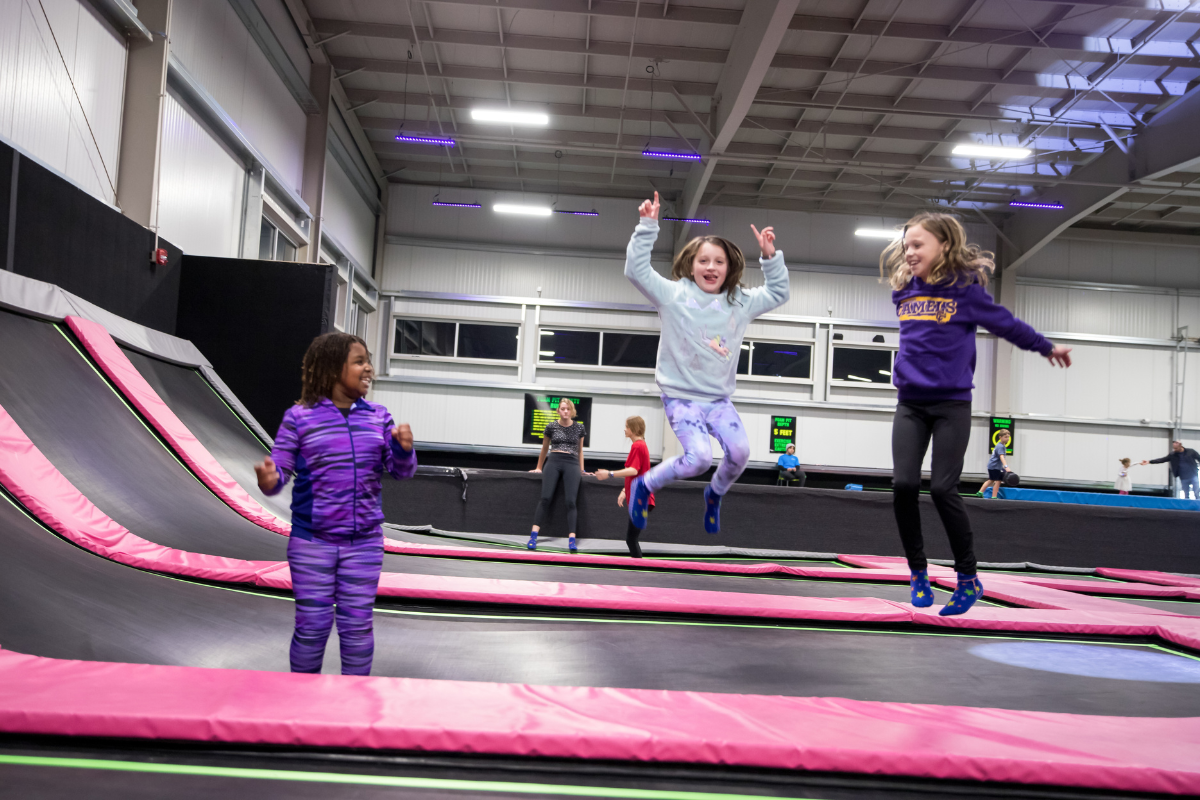
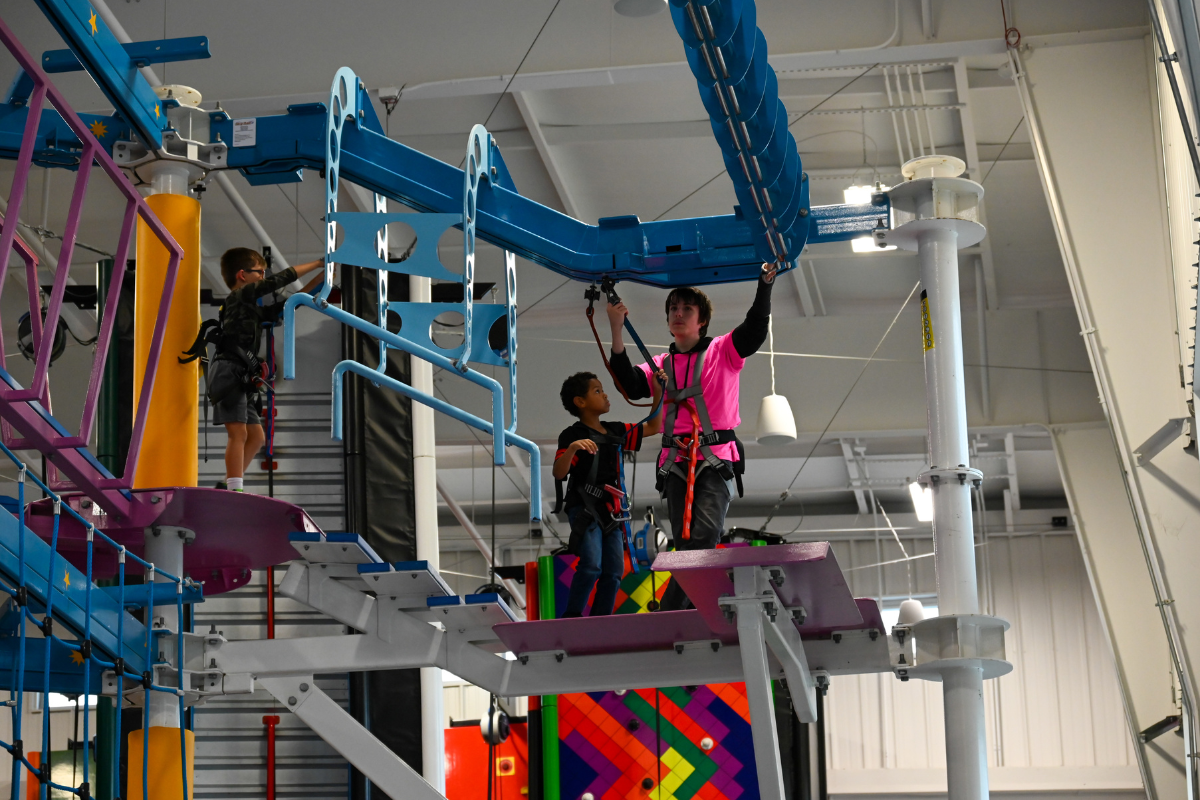
A child can be active by swimming, riding a bike, playing tag, dancing, climbing, jumping, walking, playing on a playground, or simply running around with friends.
The Centers for Disease Control and Prevention recommends that children ages 6 through 17 get at least 60 minutes of moderate-to-vigorous physical activity each day. That activity can come from many different sources, including play and recreational activities.
The key is finding movement that works for the child.
Let Kids Have a Say
If you want a child to be more active, ask what they actually enjoy.
One child might love competition. Another might hate it.
One may want to learn a specific skill. Another may want nothing to do with lessons.
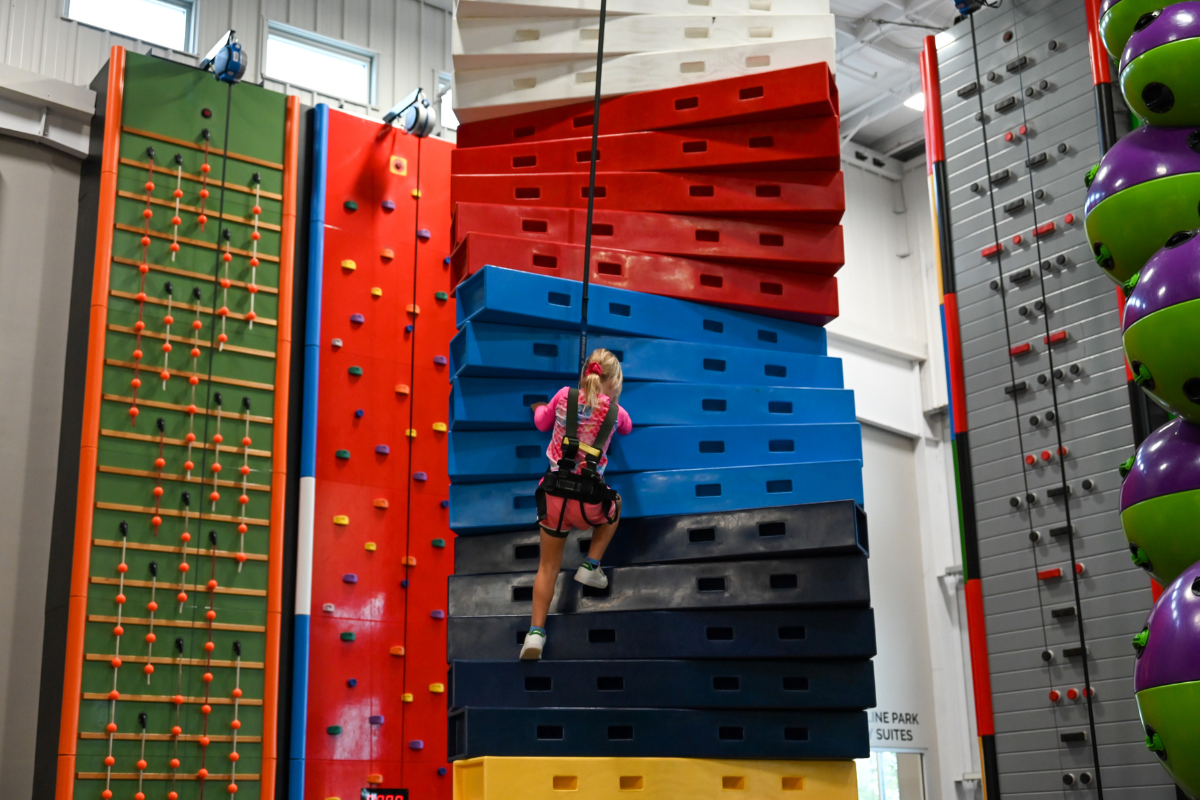
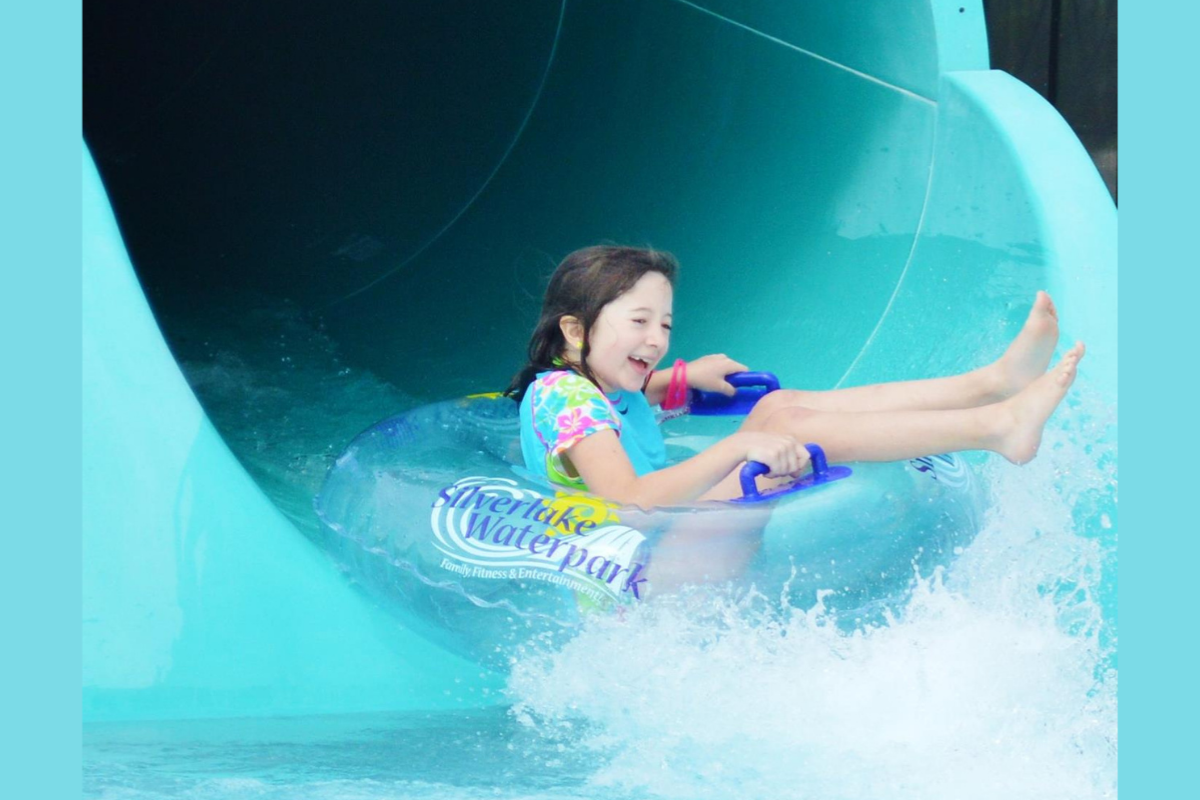
One may be happiest in the pool. Another may want to climb everything in sight.
Giving kids choices can help them develop a more positive relationship with physical activity. Instead of thinking of movement as something adults are making them do, they begin to associate it with things they genuinely enjoy.
That can be especially important as children get older and become more independent.
Make It Social
Kids are social creatures.
Sometimes the easiest way to get a child moving is to give them a friend to move with.
Play a game together. Take a family walk. Go swimming. Meet friends at a playground. Sign up for an activity with a sibling or friend.
Physical activity can become a way for children to spend time with people they enjoy rather than something separate from their social lives.
And for many kids, that makes all the difference.
Give Them Different Ways to Move
Variety can help keep physical activity interesting.
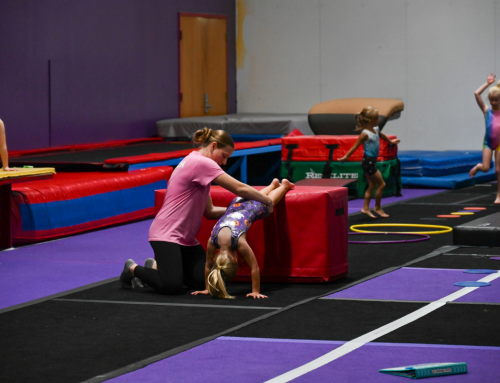
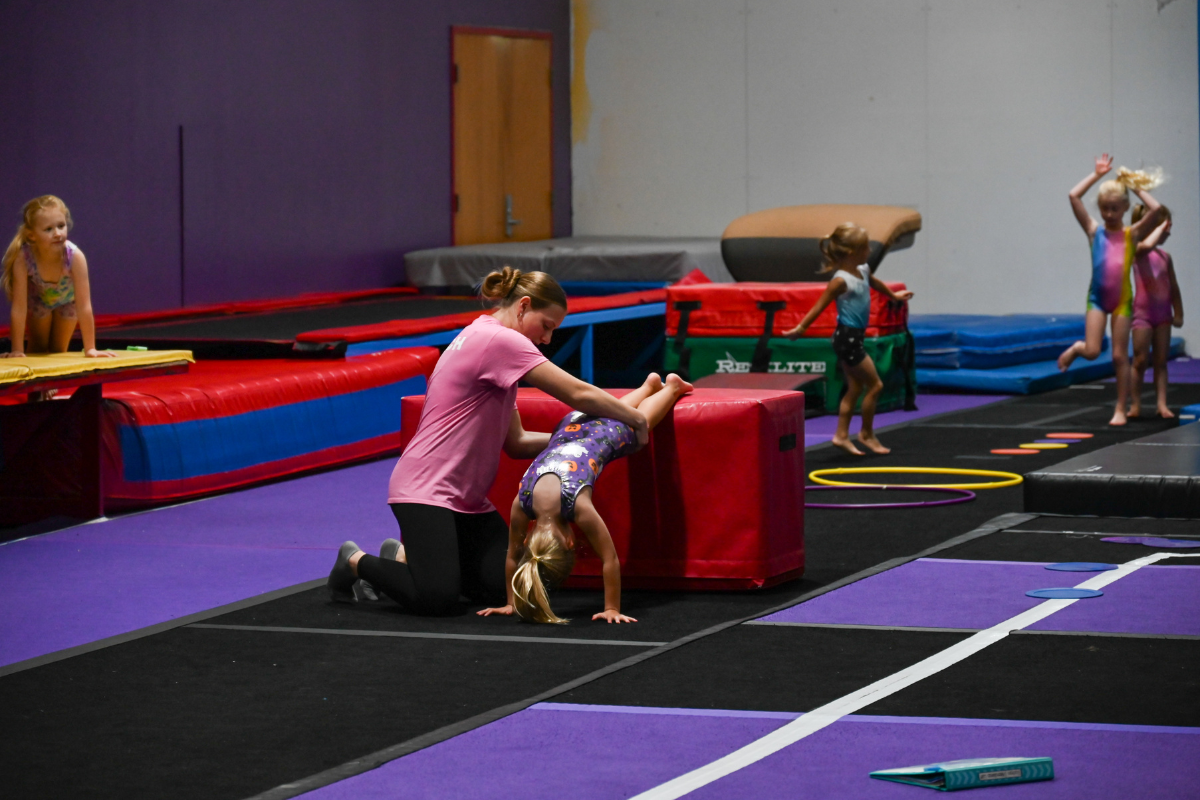
At Silverlake, for example, kids can swim, participate in gymnastics or sports, climb, jump, play, and explore. There are structured programs for children who enjoy instruction and plenty of opportunities for active recreation for those who simply want to have fun.
That variety matters because a child does not have to find one activity they love and stick with it forever.
Interests change.
Kids grow.
What they enjoy at six may be completely different from what they enjoy at ten or fourteen.
Giving them opportunities to try different things lets them keep discovering what makes movement enjoyable.
The Goal Is Not to Wear Them Out
It can be tempting to think of physical activity as a way to burn off all that extra kid energy.
And, yes, parents have absolutely been known to appreciate a pleasantly tired child at the end of the day.
But the bigger goal is to help children build a healthy relationship with movement.
They should learn that being active can be fun. That trying something new can be exciting. That practice can lead to progress. That moving their bodies can help them feel good.
Those are habits worth carrying into adulthood.
So instead of asking, “How can I get my child to exercise?”
Try asking, “What can we do that gets my child moving and makes them want to do it again?”
That question opens up a lot more possibilities.
And there is a pretty good chance your child already has an answer.